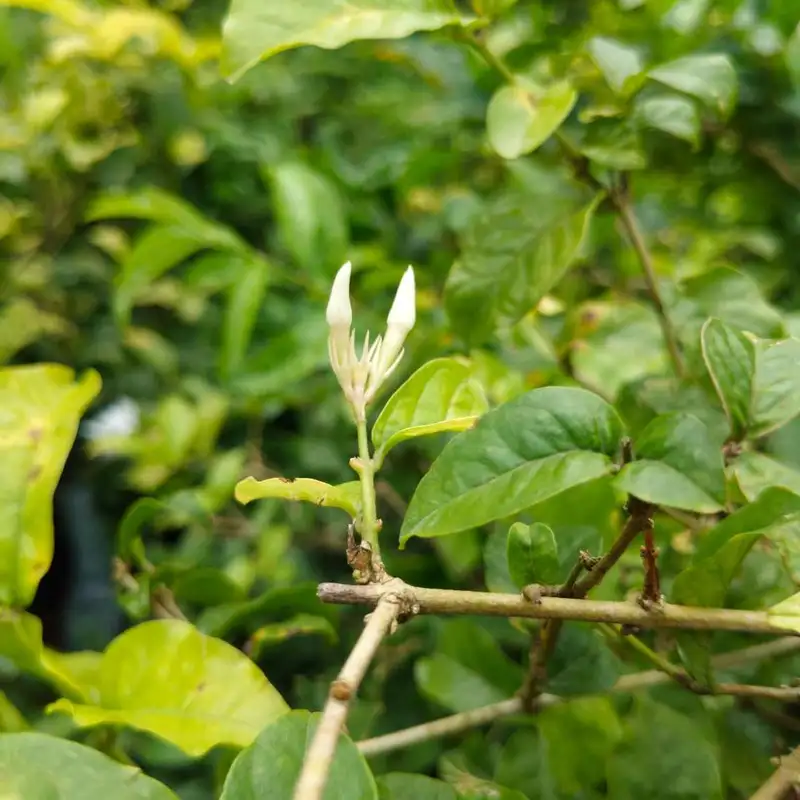
Shankarapura Mallige: The Jasmine That Wakes Before Dawn and the Farming Families Who Cannot Afford to Sleep In
The flowers have to come off the plants before the heat of the day.
This is not a preference. It is biology.
Jasmine blossoms at its most fragrant in the cool hours before sunrise, and a flower left unpicked past mid-morning in the coastal Karnataka heat loses both its scent and its market value within hours. So the farming families of Shankarapura are in the fields before the light changes, plucking in the dark by habit and by touch, filling their baskets before the rest of the world has had its first coffee.
This is what the life of a jasmine farmer in Shankarapura actually looks like. Not the garlands at the temple. Not the fragrance that reaches you on a Udupi street on a wedding morning. The hours before all of that, in the dark, in the fields, with a basket and a deadline measured in degrees of temperature rather than minutes on a clock.
And when the harvest is done and the baskets are full and the farming family arrives at the local katte auction market, the price their flowers will fetch that morning is determined by a conversation between traders that the farmer has no part in. A conversation that can set the price at Rs 840 per atti or Rs 90 per atti depending on demand signals from wholesalers in Mumbai and wedding planners in Mangaluru that the farmer had no way of knowing about when the plucking began at 4 am.
This episode is the complete story of the Shankarapura mallige and the farming families whose entire financial year depends on a flower that cannot wait.
What You Will Discover in This Episode
The complete story of the Shankarapura mallige, the Jasminum sambac variety of jasmine grown in Shankarapura and the surrounding villages of Pangala, Kurlkal, Moodubettu, Innanje and Shirva in Udupi district of coastal Karnataka, and why it holds a Geographical Indication tag that legally distinguishes it from every other jasmine grown anywhere else
Why the jasmine must be harvested before dawn and what happens to both the fragrance and the market value of a flower that misses this window, and how this biological reality shapes every single morning of every farming family's year without exception
The katte auction market where the day's price is set by traders whose price decisions reflect demand from Mumbai, Mangaluru and Kerala that the farmer at the other end of the transaction had no visibility of when the pre-dawn harvest began
The extraordinary price volatility that defines jasmine farming in Shankarapura, with documented swings from Rs 840 to Rs 90 per atti within a single day, and what this volatility means for families for whom jasmine represents up to 40 percent of household income
The seasonal precarity of jasmine farming, with summer yields ten times higher than winter yields, the dry season water stress between March and May that threatens the crop at exactly the moment when summer demand peaks, and the monsoon flooding and fungal blight that can devastate production in a matter of days
What the COVID-19 lockdowns revealed about the structural fragility of a farming community whose income depends entirely on weddings, temple offerings and social occasions that can be eliminated overnight by government order, and what the families did during the months when the jasmine kept blooming and the market ceased to exist
The traditional technique of tying jasmine using banana fibre, still preferred for the highest-value wedding and temple garlands, and what it means that this technique is still practiced in Shankarapura when most of the commercial jasmine supply chain has moved to faster, cheaper binding methods
How 5 Senses Tours built the Shankarapura visit as part of the Coast to Canopy Regenerative Trail, co-designing the visit with the farming families themselves rather than designing it and asking for their acceptance, timing it around the actual harvest schedule rather than a tourist-friendly hour, and structuring the payment model so that the community receives a guaranteed direct income from every visit regardless of what individual visitors choose to buy
Why the overnight stay at the dedicated jasmine homestay in Shankarapura, with an evening coastal cuisine cooking class, creates an economic relationship with the community that extends beyond the farm visit itself and keeps more of the travel spend within the farming household rather than in the wider accommodation economy
How the Shankarapura community fits within the complete seven-day Coast to Canopy Regenerative Trail alongside the cotton weavers of Talipady, the fishing families of Malpe, the Vedic students of Swarnavalli Mutt and the temple priests of Banavasi
Experience the Shankarapura Jasmine Harvest With 5 Senses Tours
The jasmine plants at Shankarapura are flowering right now. The farming families will be in the fields again before sunrise tomorrow morning. And the price their flowers command at the katte tomorrow is something nobody in the field at 4 am knows yet.
Our Coast to Canopy Regenerative Trail visits the jasmine farms of Shankarapura as part of a seven-day private experience across coastal Karnataka and the Western Ghats. The visit is timed around the actual harvest schedule, not a tourist-friendly hour. Guests join the farming families in the fields, learn the traditional banana fibre tying technique, visit the local auction market and stay overnight at the dedicated jasmine homestay. Groups are small, always private, never exceeding eight people, and 5 Senses Tours pays the community directly after every visit.
For the complete Coast to Canopy Regenerative Trail across coastal Karnataka and the Western Ghats, contact us at https://5sensestours.com/tour/tour-coast-to-canopy-trail-coastal-karnataka-western-ghats/
5 Senses Tours is recognised by India's Ministry of Tourism, winner of the Tripadvisor Travellers Choice Award and the Outlook Responsible Tourism Award. Every tour is private, expert guided and completely customised for your group.